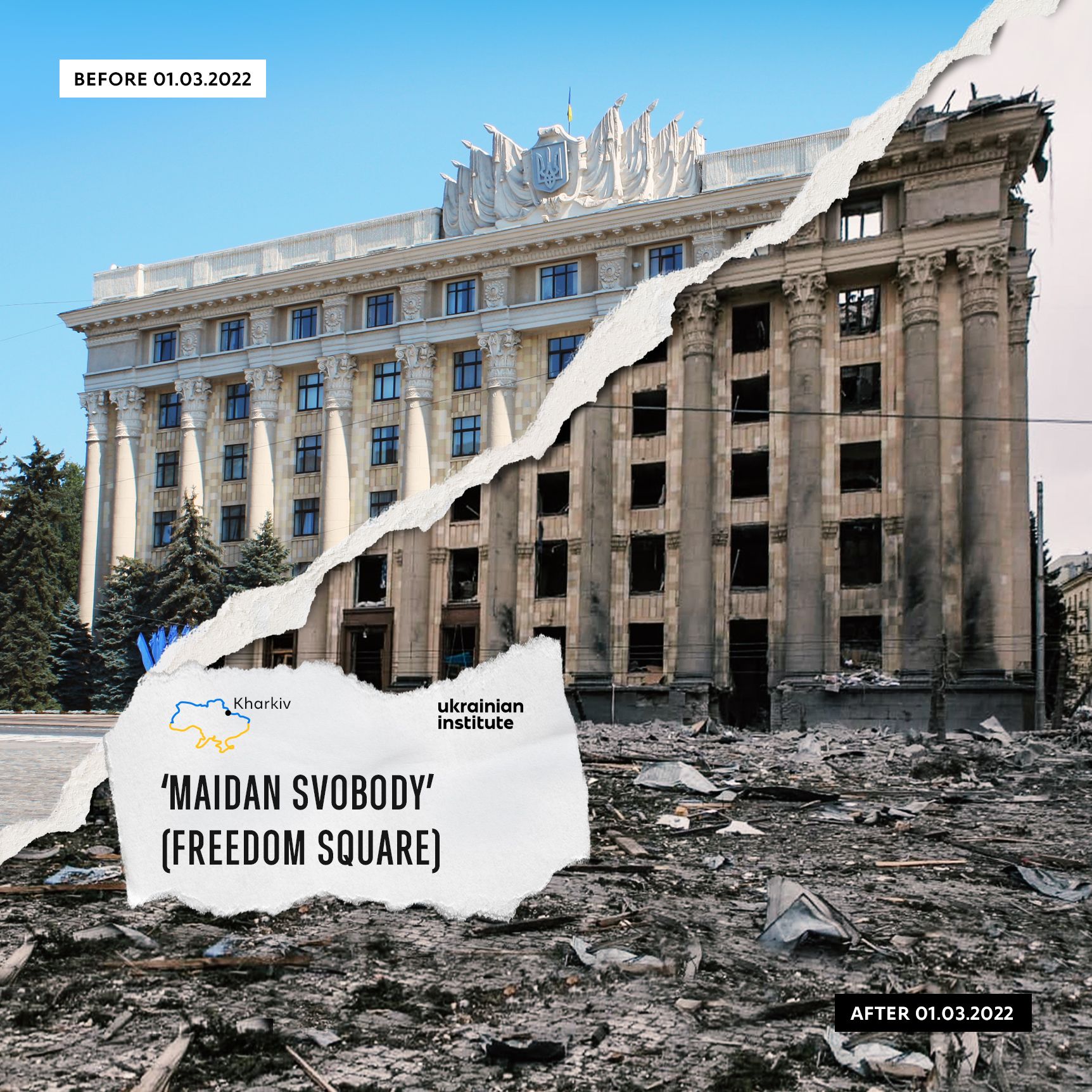
Troop Buildup Near Ukraine’s “Fortress City”
In the wake of recapturing territory in Russia’s Kursk region, an estimated 50,000 Russian soldiers remain positioned just across the border from Kharkiv, Ukraine’s second-largest city. Military observers have long anticipated a major summer offensive along this front, and the recent concentration of troops—including some from Russia’s elite VDV airborne units—suggests Moscow is preparing for at least a series of aggressive probing attacks.
Why Kharkiv Matters
Kharkiv lies barely 20 miles from the Russian frontier and was awarded the title “Hero City” for its staunch defense during the opening phase of Russia’s 2022 invasion. Its extensive fortifications and experienced garrison make any direct assault exceedingly difficult. Instead, analysts believe Russian commanders may seek to seize outlying villages and key terrain Ukraine liberated last autumn, thereby tightening the noose around the city itself.
Elite Units in the Mix?
After VDV paratroopers helped push Ukrainian forces out of parts of Kursk, many remain in reserve near Kharkiv. Sky News military analyst Professor Michael Clarke warns that if these units have not redeployed elsewhere, they could spearhead a fresh offensive:
“Their presence here would indicate intent to launch a significant assault.”
However, Clarke cautions that Russia’s wider decision to attack across multiple axes this spring has already exhausted many of the very formations best suited to a concentrated breakthrough.
A “Four-Month Window”
Both Clarke and Dr. Jack Watling of the Royal United Services Institute highlight a looming deadline for Moscow. Russia has relied heavily on aging Soviet-era tanks and vehicles, with new production accounting for only about a quarter of its armored strength. Watling notes:
“Legacy stockpiles will be depleted by mid-autumn. After that, Russia’s ability to replace losses hinges entirely on fresh manufacturing—a capacity that remains limited.”
Clarke echoes this urgency:
“They know this is likely their last season to mount any large-scale operation before inventories hit rock bottom.”
What Might the Offensive Look Like?
Rather than one sweeping mechanized thrust, experts expect a gradual escalation:
- Small-scale assaults widening the front line and probing Ukrainian defenses.
- Targeted attacks on exposed supply routes and lightly held villages north and east of Kharkiv.
- Attritional warfare, designed to bleed Ukrainian reserves and test weak points in the city’s outskirts.
Dr. Watling predicts:
“We’re already seeing indicators of this ‘soft launch’—more frequent, larger assaults over an expanding area rather than a single decisive push.”
The Stakes for Ukraine and Its Allies
For Kyiv, holding Kharkiv is both a strategic and symbolic imperative. Sustained Russian pressure here could force Ukraine to commit more reserves, potentially weakening defenses further south or west. For Western backers, the window to impose additional sanctions and provide crucial military aid may close as Russia’s summer offensive ramps up—and as its aging equipment stocks dwindle.
Looking Ahead
Over the next four months, the Kharkiv-Sumy axis will be the focus of intense military activity. If Russian commanders fail to break through before autumn, the prospects for a successful campaign diminish sharply. Conversely, even limited gains could set the stage for renewed offensives deeper into eastern Ukraine. Either way, Kyiv’s defenders must prepare for an uphill fight to keep their “fortress city” secure.
About the Author