Forty-two months into Russia’s full-scale invasion, Ukraine’s war effort is facing pressure on three fronts and not all of them are on the battlefield.
While soldiers on the “zero line” endure months without rotation, political leaders in Kyiv are dodging responsibility for a deeply unpopular mobilization push. At the same time, U.S. President Donald Trump is preparing to meet Vladimir Putin to discuss a so-called “peace plan” that would trade Ukrainian territory for a ceasefire, a plan Kyiv has vowed to reject. And in Kherson, a liberated city on the Dnipro River, Russian drone warfare is pushing daily life to the breaking point.
Mobilization: A Political Hot Potato
Ukraine’s military manpower shortage is now one of the country’s greatest strategic vulnerabilities. Around 30,000 people are mobilized each month, but according to officials, only a third are fit for combat. Many front-line soldiers have been deployed continuously for over two years with no guaranteed rotation.
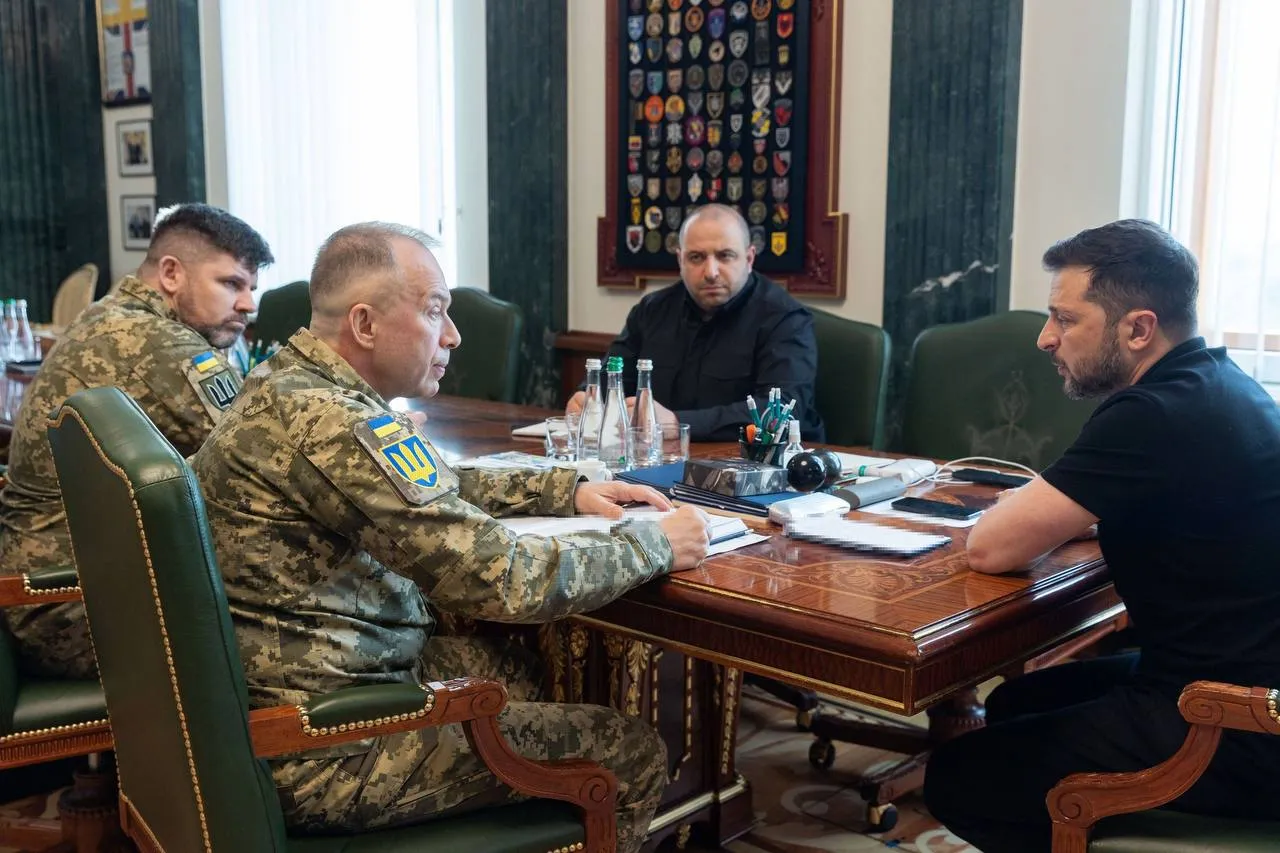
Commander-in-Chief Oleksandr Syrskyi says mobilization is critical to counter Russia’s growing troop numbers, Moscow is reportedly adding 9,000 soldiers each month despite staggering losses. Yet President Volodymyr Zelensky has largely avoided the topic since late 2023, wary of the political fallout.
“Unpopular decisions that need to be made.. may lead to a drop in popularity,” says political analyst Yuriy Honcharenko.
Even among those mobilized, about half are soldiers returning from AWOL. Draft-age men and their families see no clear end to service, and with mobilization age still set at 25–60, younger potential recruits remain untapped.
Public opinion reflects the discomfort: only 21% of Ukrainians see mobilization positively, while 44% view it negatively. Protests have already broken out over aggressive conscription tactics, such as forcibly detaining men in public — incidents that risk polarizing society further.
Trump and Putin’s “Alaska Peace Plan”
While Ukraine struggles to refill its ranks, another political storm is brewing abroad. On Aug. 15, Trump and Putin will meet in Alaska to discuss what a source in Ukraine’s President’s Office calls “the Russians’ plan”, not Trump’s.
Under the proposal, Ukraine would withdraw from the occupied parts of Donetsk and Luhansk, while Russia would pull back from areas of Kharkiv and Sumy it currently holds. Moscow would keep its grip on Zaporizhzhia and Kherson, minus the regional capitals.
Trump has already floated the idea of “swapping territories” for peace. Kyiv’s answer has been unequivocal.
“No one will deviate from this and no one will be able to. Ukrainians will not gift their land to the occupier,” Zelensky said.
European leaders have rallied behind Ukraine’s refusal, but Trump’s willingness to entertain Moscow’s terms has triggered frantic diplomacy. G7 diplomats, NATO allies, and Kyiv are working to ensure Ukraine isn’t pressured into a deal that would reward aggression and undermine international law.
Kherson: Life Under a “Human Safari”
Far from the negotiation rooms, Kherson is living a nightmare. Liberated in November 2022, the city is now enduring a relentless wave of Russian drone, artillery, and glide bomb attacks launched from across the Dnipro River.
The Korabel neighborhood, already devastated by the 2023 Kakhovka Dam flood, is now on the brink of isolation. Glide bomb strikes have damaged the only bridge connecting it to the rest of Kherson. Over 400 residents have been evacuated, but about 1,300 remain, including elderly and disabled people who may not be able to leave if the bridge is destroyed.
Russian forces are waging what locals call a “human safari,” using FPV drones to target civilians, aid workers, and infrastructure. Military officials report 250–270 FPV drone attacks per day, an intensity matched by few other front-line zones.
“Every time you go outside, you know something could happen,” says local resident Fedorchuk. “It’s constant stress.. mentally crushing.”
For now, a full-scale Russian ground offensive across the Dnipro seems unlikely, but the ongoing drone campaign is making life in Kherson increasingly unlivable and threatening to depopulate the city without ever sending in troops.
One War, Many Fronts
Ukraine’s fight for survival is not just a military struggle. It’s a battle against political paralysis at home, diplomatic pressure abroad, and a war of attrition waged on its cities by an enemy with deeper manpower reserves.
- Without mobilization reform, front-line units will remain exhausted and vulnerable.
- Without diplomatic unity, Kyiv risks being cornered into an unjust “peace.”
- Without civilian protection, cities like Kherson may be lost not to occupation, but to emptying streets and shattered morale.
For Ukraine, winning the war means addressing all three fronts at once and doing so while holding fast to the principles of sovereignty, dignity, and democracy.
💙💛 If you value in-depth analysis like this, you can buy me a coffee to help keep it going. Every bit of support helps amplify Ukraine’s story and counter the narratives designed to break its will.
About the Author